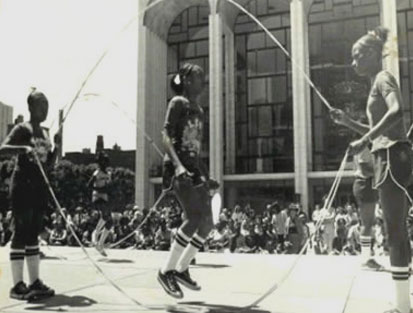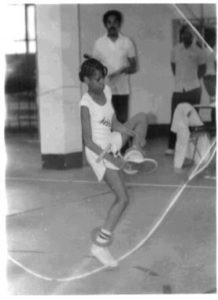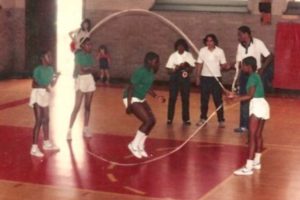
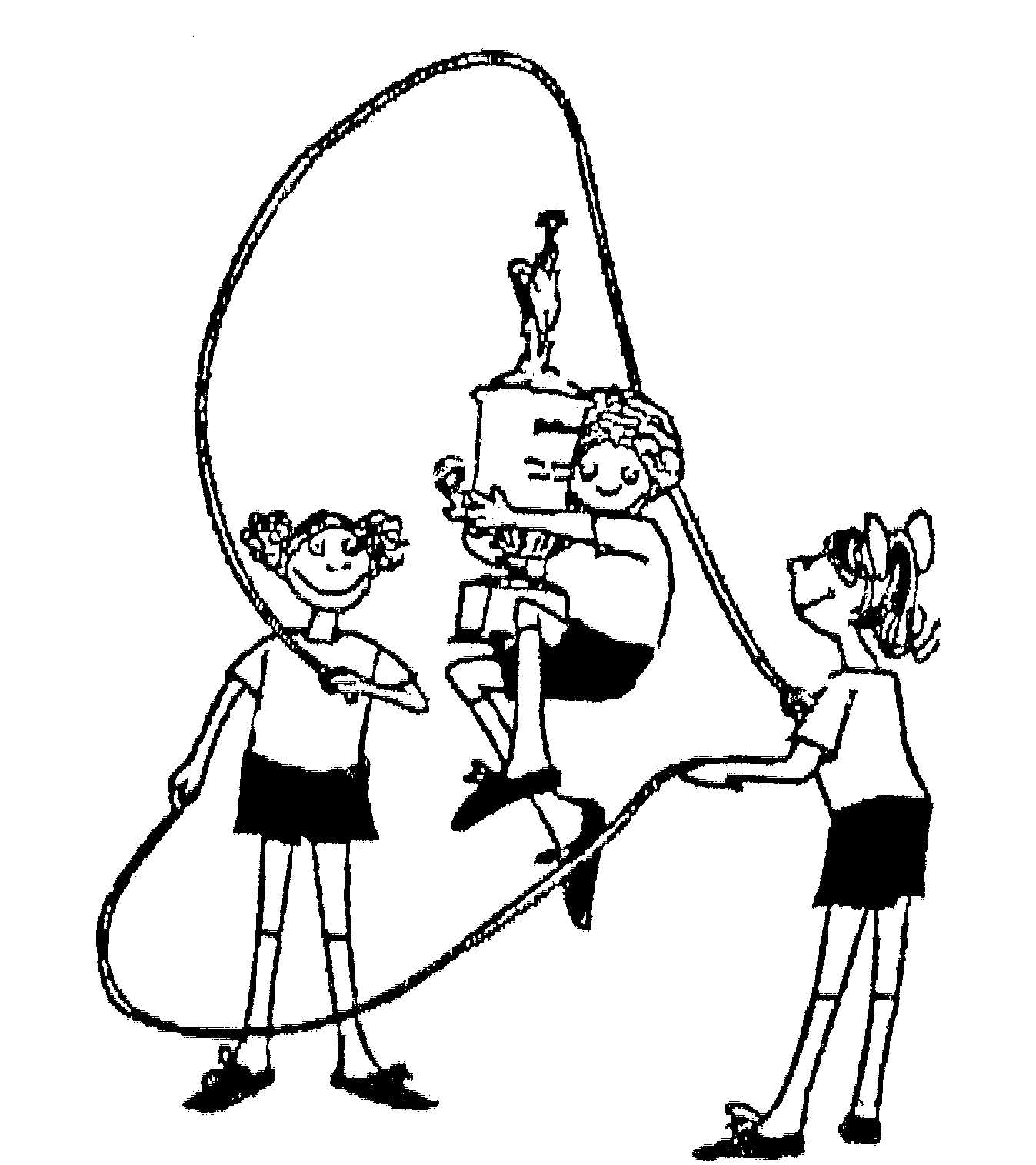
Basically, Double Dutch is a rope skipping exercise played when two ropes are turned in eggbeater fashion. While the ropes are turned, a third person jumps within.
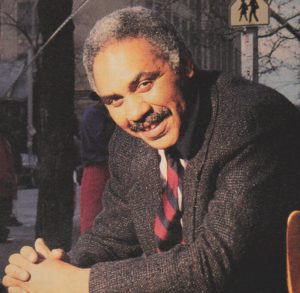
A history of the game written by David A. Walker, the founder of the sport, traces the probable origins to ancient Phoenician, Egyptian and Chinese ropemakers. They plied their craft at ropewalks – spaces 900 feet or more in length – usually near seaports. With a bunch of hemp around their waists and two strands attached to the wheel, the ropemakers walked backwards, twisting the rope into uniformity. As the runners traveled the cluttered floors supplying the spinners with hemp, they had to jump the twisting rope. To make their deliveries, they needed quick feet, lithe bodies and good eye perception.
It is possible that at these ancient rope-works the basic framework of Double Dutch evolved. In all likelihood, the rope spinners, runners and their families patched together a leisure time activity from their work. The strand-over-strand turning movement of the spinners, the footwork of the runners evolved into the game. Thereafter, it was passed from generation to generation.
 The Dutch settlers brought the game to the Hudson River trading town of New Amsterdam (now New York City). When the English arrived and saw the children playing their game, they called it Double Dutch. The game has since grown over the years, particularly in urban areas. It became a favorite pastime to sing rhymes while turning and jumping. During World War II, the game was often played on the sidewalks of New York. By the late 1950s the radio music boom dominated urban America and the lack of recreational areas in close proximity to apartment buildings had made the game nearly extinct.